
Is you still find the solution for “how to get more deep sleep”? Have you ever slept a full eight hours and still dragged yourself out of bed feeling exhausted? You’re not alone — and the frustrating truth is that the number of hours you sleep isn’t the whole story. The quality of your sleep matters just as much, and one particular stage — deep sleep — plays a huge role in how rested you actually feel.
The good news is that there are simple, practical habits that can help you sleep deeper and feel more refreshed every morning. No complicated routines, no expensive gadgets. Just straightforward lifestyle changes that work with your body’s natural rhythms.
What Is Deep Sleep?
Sleep isn’t just one long, uniform state of unconsciousness. Your brain actually cycles through several distinct stages throughout the night. These stages alternate between lighter sleep, REM (Rapid Eye Movement) sleep — when most dreaming happens — and deep sleep, which scientists call slow-wave sleep or N3.
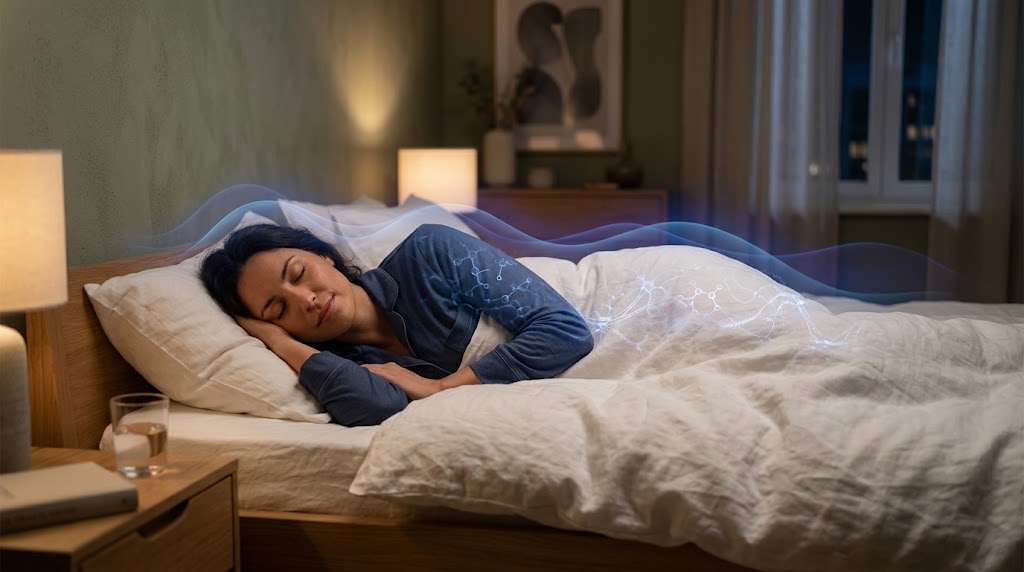
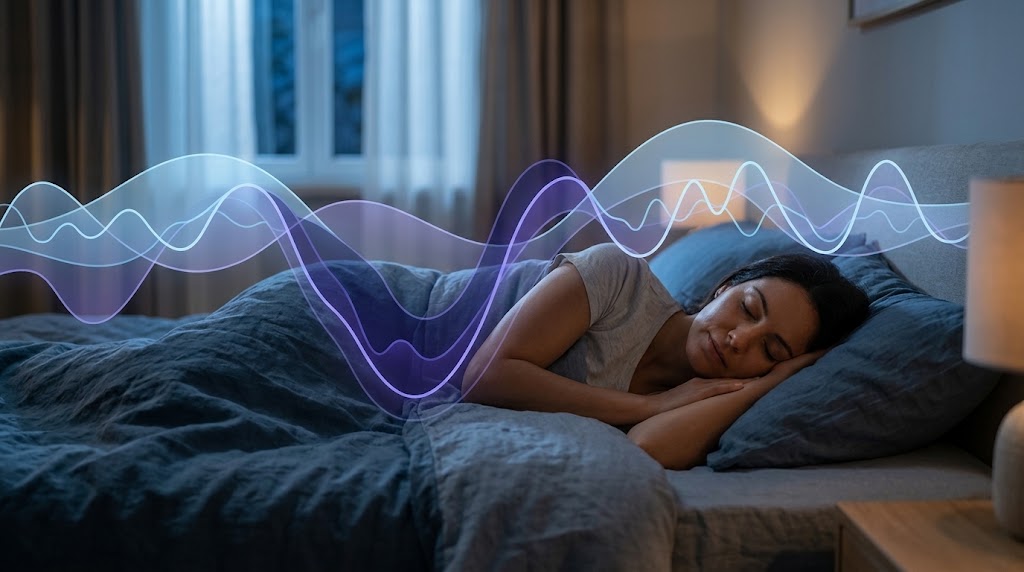
During deep sleep, your brain produces slow, rhythmic electrical signals called delta waves. Your body becomes very still, your breathing slows, and it becomes harder for someone to wake you up. This is the most physically restorative stage of sleep — the one your body truly depends on to repair and recharge.
Most deep sleep happens in the first half of the night, especially in the first few sleep cycles. As the night goes on, you spend more time in lighter sleep and REM sleep instead.
Why Is Deep Sleep Important?
Getting enough deep sleep is about far more than just feeling less groggy in the morning. It touches almost every system in your body.
- Physical recovery: During deep sleep, your body releases growth hormone, which helps repair muscles, tissues, and cells. This is why athletes and active people often feel the impact of poor sleep first in their physical performance.
- Brain and memory: Your brain uses deep sleep to consolidate memories — transferring information from short-term to long-term storage. A night of poor sleep can make it genuinely harder to remember things the next day.
- Immune system: Deep sleep helps your body produce proteins called cytokines, which support immune function. Regularly missing deep sleep may make you more susceptible to common illnesses.
- Energy and mood: Waking up after a night rich in deep sleep often means waking up with clearer thinking, better focus, and a more stable mood. Lack of it tends to leave people irritable and mentally foggy.
- Overall health: Consistent, quality sleep — including adequate deep sleep — is associated with a lower risk of several long-term health conditions, including heart disease and type 2 diabetes.

How Much Deep Sleep Do You Need?
Most adults spend roughly 13–23% of their total sleep time in deep sleep. So if you sleep for seven to eight hours, that works out to somewhere between one and two hours of deep sleep per night — though this varies a lot from person to person.
Children and teenagers naturally get more deep sleep than adults, and deep sleep tends to decrease gradually as we age. There isn’t one magic number that applies to everyone. What matters more is that you’re giving your body enough total sleep and creating conditions that allow your natural sleep cycles to run their course undisturbed.
How to Get More Deep Sleep
You can’t directly control which stage of sleep you’re in — but you can create the right conditions for your brain and body to sink into deep, restorative sleep more easily. Here are some of the most effective strategies.
1. Keep a Consistent Sleep Schedule
Your body has an internal clock — called the circadian rhythm — that regulates when you feel sleepy and when you feel awake. Going to bed and waking up at roughly the same time every day, including weekends, helps keep this clock steady.
When your schedule is consistent, your body learns when to expect sleep and starts winding down automatically. An irregular schedule — like sleeping in on weekends or staying up very late some nights — can throw this rhythm off and reduce the quality of your sleep overall.
2. Make Your Bedroom Dark and Quiet
Light is a powerful signal to your brain that it’s time to be awake. Even small amounts of light from streetlights, phone screens, or standby LEDs can interfere with melatonin production — the hormone that helps you fall and stay asleep.
Try blackout curtains or a sleep mask if your room isn’t naturally dark. If noise is a problem, a white noise machine or even a basic fan can help mask disruptive sounds without requiring complete silence.
3. Keep Your Bedroom Cool
Your core body temperature naturally drops as you fall asleep, and a cooler room supports that process. Most sleep researchers suggest a bedroom temperature somewhere in the range of 60–67°F (15–19°C) tends to work well for most adults — though the ideal temperature can vary slightly from person to person.
If you often feel too hot at night, try lighter bedding, a fan, or opening a window. Sleeping in a room that’s too warm can reduce time spent in deep sleep.
4. Avoid Caffeine Late in the Day
Caffeine blocks adenosine receptors in your brain — and adenosine is the chemical that builds up throughout the day and makes you feel sleepy. In other words, caffeine doesn’t actually give you energy; it just delays the feeling of tiredness.
The problem is that caffeine can stay active in your system for six hours or more. A coffee at 3 PM could still be interfering with your sleep at 9 PM. If you’re struggling to sleep deeply, it’s worth cutting off caffeine after noon or early afternoon and seeing whether it helps.
5. Limit Alcohol Before Bedtime
Many people find that a drink helps them fall asleep faster — and it does. But alcohol disrupts your sleep architecture, particularly in the second half of the night. It tends to reduce the amount of time you spend in REM sleep and can suppress deep sleep, leaving you waking up feeling unrefreshed even after a full night in bed.
If you enjoy an occasional drink, try having it earlier in the evening rather than right before bed, and see whether your sleep quality improves.
6. Reduce Screen Time Before Bed
The blue light emitted by phones, tablets, and laptops mimics daylight and suppresses melatonin production, signaling to your brain that it should stay awake. Scrolling through social media or watching videos also tends to be mentally stimulating — the opposite of what your brain needs to wind down.
Try putting screens away at least 30–60 minutes before bed. Replace that time with something calmer: reading a physical book, light stretching, journaling, or listening to music.
7. Exercise Regularly
Regular physical activity is one of the most consistently supported ways to improve sleep quality, including deep sleep. Exercise raises your body temperature and increases adenosine levels — both of which promote deeper sleep later.
You don’t need to be an athlete. Even a 20–30 minute walk most days can make a difference. Just be mindful of timing: vigorous exercise right before bed can be too stimulating for some people. Morning or afternoon workouts tend to work best for sleep.
8. Get Natural Daylight During the Day
Natural light exposure during the day is one of the strongest signals for your circadian rhythm. It tells your brain it’s daytime, which helps it know when nighttime — and sleep — should begin.
Try to get outside for at least 15–30 minutes in the morning or early afternoon. Even on cloudy days, outdoor light is much brighter than indoor lighting. This simple habit can make it easier to fall asleep at night and may improve the depth of your sleep.
9. Create a Relaxing Bedtime Routine
A short wind-down routine before bed helps signal to your nervous system that sleep is approaching. Think of it as a bridge between your busy day and the rest your body needs.
Your routine doesn’t need to be complicated. Even 20–30 minutes of calm activity — a warm shower, light stretching, reading, or some deep breathing — can help lower cortisol (a stress hormone) and prepare your body for deeper sleep.
10. Avoid Heavy Meals Close to Bedtime
Eating a large meal too close to bed can cause discomfort, indigestion, or acid reflux that disrupts your sleep. Your body is also busy digesting, which takes energy and can keep your metabolism more active than ideal for sleeping.
Try to have your last large meal at least two to three hours before bed. If you’re genuinely hungry in the evening, a light, easily digestible snack is fine — but a heavy or spicy meal late at night is worth avoiding if sleep quality is a priority.
Foods and Drinks That May Support Better Sleep
There’s no single food that will magically increase your deep sleep, but your overall diet does influence how well you sleep. Diets rich in whole grains, vegetables, fruits, and lean proteins are generally associated with better sleep quality.
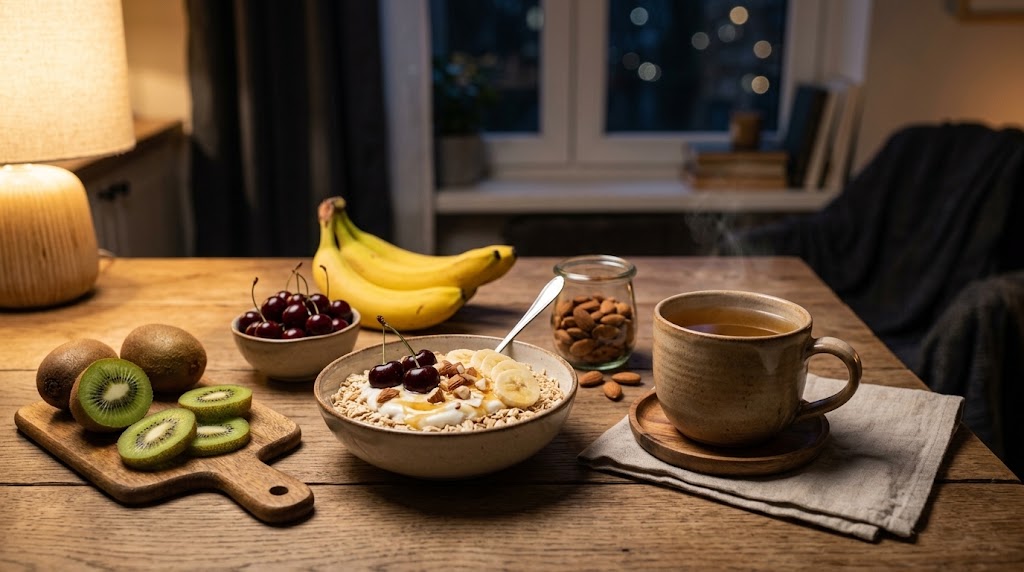
Some foods contain nutrients that support sleep-related processes. Magnesium — found in foods like leafy greens, nuts, and seeds — plays a role in relaxation and nervous system regulation. Tryptophan, an amino acid found in poultry, eggs, and dairy, is a precursor to serotonin and melatonin.
Herbal teas like chamomile or passionflower tea are commonly used as part of a wind-down routine and may have mild calming effects, though the evidence is modest. Warm milk before bed has a long tradition for a reason — it’s comforting and contains both tryptophan and magnesium.
As a general rule, focus on a balanced, varied diet rather than looking for a single sleep “superfood.” Avoid large amounts of sugar or processed foods in the evening, as blood sugar swings can disrupt sleep.
Things That Can Reduce Deep Sleep
Sometimes the most useful step is identifying what’s working against your sleep. Common factors that can reduce deep sleep include:
- Chronic stress and anxiety: Elevated cortisol keeps your brain in a more alert state, making it harder to reach deep sleep.
- Irregular sleep schedules: Disrupting your body clock makes it harder for your sleep cycles to run smoothly.
- Too much caffeine: Even caffeine consumed early in the afternoon can linger in your system and reduce sleep depth.
- Alcohol: While it may help you fall asleep, it fragments sleep and suppresses restorative stages.
- Screen use before bed: Blue light and mental stimulation both work against a smooth transition into deep sleep.
- Noise and light: Even low-level sensory input during sleep can pull you into lighter sleep stages.
- An uncomfortable sleep environment: A room that’s too warm, a mattress that’s worn out, or disruptive bedding can all chip away at sleep quality.
- Large meals or alcohol late at night: Both can cause physical discomfort and disrupt your sleep architecture.
A Simple Nighttime Routine for Deeper Sleep
You don’t need a complicated protocol. Here’s a realistic 30–60 minute wind-down routine you can try:
- 9:00 PM — Put screens away. Charge your phone in another room if possible, or switch it to grayscale and “Do Not Disturb.”
- 9:05 PM — Have a light herbal tea or warm drink. Chamomile or a warm glass of milk both work. Sit down and enjoy it without scrolling.
- 9:15 PM — Do some light stretching or breathing. Five to ten minutes of gentle movement or deep belly breathing helps lower your heart rate and release muscle tension.
- 9:25 PM — Read a physical book or journal. Keep it light — nothing too stimulating. A few pages of a novel or jotting down tomorrow’s tasks can help clear mental clutter.
- 9:50 PM — Dim the lights and get into bed. Keep the room cool and dark. If your mind is busy, try a simple breathing exercise: inhale for 4 counts, hold for 4, exhale for 6.
- 10:00 PM — Sleep. Let go of the need to fall asleep immediately. Just rest.
Adjust the timing to fit your own schedule. The goal is simply to give yourself a buffer between your active day and sleep — a signal to your brain that it’s time to slow down.
When Should You Talk to a Doctor?
Most sleep problems improve with consistent lifestyle changes. But if you’ve tried the strategies above and still regularly struggle to sleep well, or if you notice certain symptoms, it may be worth speaking with a healthcare professional.
Signs that deserve attention include:
- Persistent difficulty falling or staying asleep (insomnia) that lasts for weeks or months
- Loud snoring, gasping, or choking sounds during sleep (which could indicate sleep apnea)
- Significant daytime sleepiness even after what seems like a full night’s sleep
- Restless legs or uncomfortable sensations that disturb your sleep
- Sleep problems that are noticeably affecting your mood, work, or daily life
This article is general health information, not medical advice. A doctor or sleep specialist can properly assess what’s happening and suggest appropriate treatment if needed. Don’t hesitate to ask — sleep is too important to ignore.
Frequently Asked Questions About Deep Sleep
How can I get more deep sleep naturally?
The most effective natural approaches include keeping a consistent sleep and wake time, making your bedroom cool and dark, exercising regularly, cutting off caffeine early in the afternoon, reducing alcohol, and building a calming pre-bed routine. None of these are complicated, but doing them consistently over time tends to make a real difference to how deeply you sleep.
How many hours of deep sleep do you need?
Most adults naturally spend around 13–23% of their sleep time in deep sleep. For someone sleeping seven to eight hours, that works out to roughly one to two hours of deep sleep per night. This varies by age and individual, and it tends to decrease naturally as we get older. Rather than targeting a specific number, focus on getting enough total sleep and creating conditions for uninterrupted sleep cycles.
Does exercise increase deep sleep?
Yes — regular physical activity is one of the most reliably supported ways to improve sleep quality, including time spent in deep sleep. Exercise raises body temperature and builds up adenosine (a sleep-promoting chemical), both of which support deeper sleep later. Aim for at least 20–30 minutes of moderate activity most days. Just try to avoid intense exercise within an hour or two of bedtime if you find it keeps you awake.
Does drinking water before bed affect deep sleep?
Drinking a small amount of water before bed is generally fine and won’t meaningfully disrupt deep sleep for most people. However, drinking a large amount close to bedtime can lead to nighttime trips to the bathroom, which can interrupt your sleep cycles. If staying hydrated is important to you, try to have most of your daily water intake earlier in the day and just sip lightly in the evening.
Does screen time reduce deep sleep?
It can, yes. The blue light from phones, tablets, and computers can suppress melatonin — the hormone that signals to your body it’s time to sleep. Beyond the light itself, the mental stimulation from scrolling, videos, or social media keeps your brain more active, making it harder to wind down. Reducing screen use in the 30–60 minutes before bed is a simple and often helpful step.
Does caffeine affect deep sleep?
Yes, it can have a significant effect. Caffeine blocks the brain’s adenosine receptors, which are involved in building up the sleep pressure that leads to deep sleep. Since caffeine can remain active in your body for six hours or longer, having coffee, tea, or energy drinks in the afternoon or evening may reduce your deep sleep even if you don’t notice it affecting how quickly you fall asleep. Try moving your caffeine cut-off to before noon if sleep is a concern.
Can stress reduce deep sleep?
Absolutely. Stress triggers the release of cortisol, a hormone that promotes alertness. When cortisol levels are elevated — especially close to bedtime — it becomes much harder for your brain to transition into the slow, relaxed state that deep sleep requires. Managing stress during the day (through exercise, social connection, or relaxation practices) and having a calming bedtime routine can help your nervous system settle down enough for deep sleep.
Why do I sleep for 8 hours but still feel tired?
Sleeping long hours without feeling rested usually points to poor sleep quality rather than insufficient quantity. Common reasons include fragmented sleep (waking up often during the night), getting very little deep sleep, high stress levels, alcohol use, an irregular sleep schedule, or an underlying issue like sleep apnea. If this is a consistent experience for you and simple lifestyle changes don’t help, it’s worth speaking with a doctor to rule out any underlying conditions.
Final Thoughts
Getting more deep sleep isn’t about finding one dramatic trick — it’s about building a collection of small, consistent habits that work together. A cooler bedroom, a more regular bedtime, less caffeine, a few minutes of winding down before bed — none of these feel revolutionary on their own, but together they can meaningfully change how deeply and restoratively you sleep.
Start with one or two changes this week. Give them time to work. Your body already knows how to sleep deeply — you’re just helping it do what comes naturally.
Remember: if your sleep problems are persistent, significantly affecting your daily life, or come with concerning symptoms like loud snoring or gasping, please reach out to a healthcare professional. Quality sleep is one of the most important investments you can make in your health